Choose the desert safari format by matching one day in Dubai to five checks: available time, heat exposure, included activities, guest comfort, and written booking terms. A poor match can turn a memorable desert plan into a long transfer, a hot wait, or a package that costs more than expected after add-ons.
Which Dubai desert safari format fits your schedule, comfort level, and expectations?
For Dubai visitors choosing a desert safari, the right format depends less on the activity name and more on timing, heat exposure, transfer length, meal needs, and tolerance for a long shared itinerary. Morning, evening, and overnight safaris serve different use cases rather than one universal best choice.
- Choose morning if you want a shorter desert trip, lower time commitment, and no late return to the hotel.
- Choose evening if sunset photos, BBQ dinner, camp entertainment, and a fuller first-time safari format matter most.
- Choose overnight if you want a slower desert stay and can accept basic camp comfort, an early next-day return, and less control over rest quality.
Morning desert safari is best for short schedules and cooler early starts
A morning desert safari suits travellers who have a crowded Dubai itinerary, evening restaurant plans, or children who do better earlier in the day. The trade-off is that morning packages are often more activity-led than camp-led, so breakfast, live entertainment, and long camp time may be limited or excluded depending on the operator.
Morning safari buyers should check three items before payment: pickup area, shared or private transfer option, and whether dune driving can be softened or skipped. A short morning plan can still feel long if the pickup route crosses several hotels before reaching the desert.
Evening desert safari is best for dinner, sunset, and entertainment expectations
An evening desert safari is usually the safest default for first-time visitors who picture the classic Dubai desert experience: late-day dunes, sunset photography, camel photo stops, dinner, and camp entertainment. This format gives more atmosphere than a quick morning run, but it also creates a longer door-to-door commitment.
Evening safari buyers should compare the written inclusion list rather than the headline label. Dune bashing, sandboarding, camel rides, BBQ dinner, soft drinks, shows, VIP seating, quad bikes, and private transfers can sit in different package tiers. The phrase “included” should mean included in your selected package, not available at the camp for an extra charge.
Overnight desert safari is best for slow travel and stargazing if comfort limits are acceptable
An overnight desert safari fits travellers who value quiet time after the dinner crowd leaves. It is less suitable for anyone who needs hotel-style bedding, full privacy, predictable sleep, or an early fixed appointment the next morning. Written operator pages, such as this overnight desert safari example, are useful because they show the kind of camp sequence and next-day return details travellers should verify.
The next filter is weather: the same safari format can feel easy in one season and draining in another, so timing only makes sense after checking heat exposure and night comfort.
How does Dubai weather change the best time for a desert safari?
Dubai desert safari timing should be judged against seasonal heat, daylight, and overnight temperature swings, especially for families, older travellers, and visitors unaccustomed to Gulf summer conditions. Morning and evening departures reduce midday exposure, while overnight safaris add cooler nights but require more tolerance for simple camp conditions.
The practical weather test is simple: choose the safari format that keeps your most exposed activity away from the harshest part of the day. Dune driving happens inside an air-conditioned vehicle, but photo stops, camel rides, sandboarding, camp walking, and waiting for transfers can place guests in direct sun. That is where timing affects comfort more than the activity list.
Summer desert safaris in Dubai require stricter heat planning
Summer desert safari planning should treat heat as the main itinerary constraint, not a minor inconvenience. In the hotter part of the year, a morning safari can work for visitors who want a short desert visit before the day builds, but the departure needs to be early enough to avoid a long exposed finish. An evening safari usually feels more manageable once the sun drops, although the first pickup and arrival period can still feel hot.
Visitor behaviour matters as much as the advertised pickup time. Guests should carry water, use sun protection, avoid heavy meals before dune driving if prone to motion sickness, and be honest about heat tolerance before choosing quad biking or extended sandboarding. A family with young children or an older traveller may find a shorter morning safari easier than a long evening camp itinerary during peak heat, even if the evening package has more inclusions.
Daylight also changes the value of each format. A morning safari gives clearer early light and a faster return to the city. An evening safari builds around sunset, dinner, and entertainment, so the experience depends on arriving in time for the light rather than only reaching camp. Overnight safaris add the benefit of a quieter late evening, but the guest must still be comfortable spending many hours away from the hotel.
Winter desert safaris in Dubai can still require layers after sunset
Winter desert safari planning should not assume that “desert” always means hot. Dubai’s cooler season is often the easiest time for evening and overnight itineraries, but open desert air can feel noticeably cooler after sunset, especially during seated camp time or early morning wake-up. A light layer can make the difference between enjoying dinner and waiting to get back in the vehicle.
Evening safaris in cooler months suit first-time visitors because the weather usually supports the full sequence: transfer, dune activity, sunset photos, dinner, and camp entertainment. The trade-off is time. A comfortable evening safari can still occupy a large part of the afternoon and night, so guests with early flights, dinner reservations, or tired children should check return timing before booking.
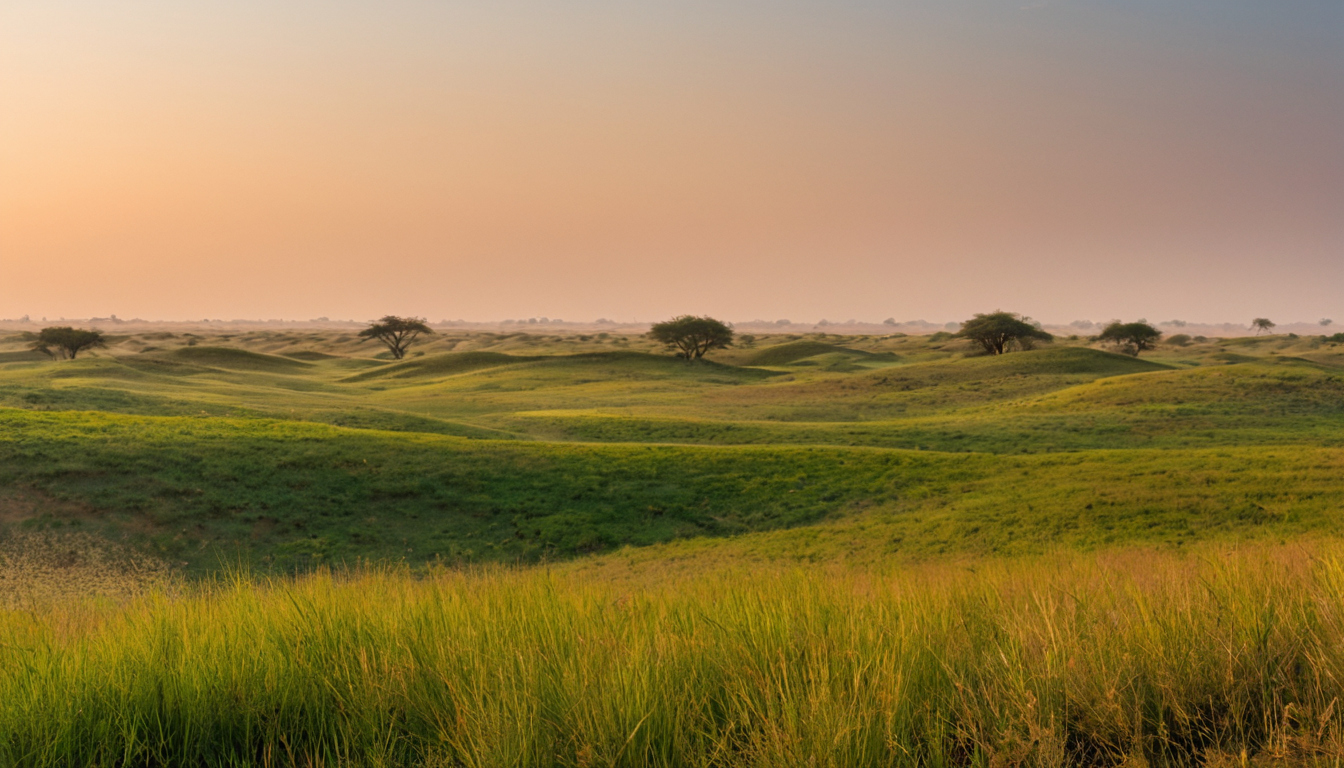
How does Dubai weather change the best time for a desert safari shown with outdoor and conservation detail for context.
Overnight safaris need a separate comfort check. Before payment, guests should read the operator’s written itinerary for sleeping arrangements, bathroom access, bedding, breakfast, and morning return details. Each package should be checked on its current written terms.
Weather narrows the right timing, but inclusions decide whether the chosen timing is good value, so the next step is to compare what is guaranteed, what is optional, and what may change by season or package tier.
What should morning, evening, and overnight desert safari inclusions be compared against?
Dubai desert safari inclusions should be compared line by line before booking because similar tour names can hide different transfer types, camp standards, meal arrangements, activity limits, and optional paid add-ons. For budget planning, the useful question is what is guaranteed, what is seasonal, and what costs extra.
A desert safari comparison table should separate guaranteed inclusions from paid add-ons
A safari comparison should start with the written inclusion list, not the tour title. “Morning safari,” “evening safari,” and “overnight safari” can describe very different products depending on the vehicle, camp access, food service, and activity rules.
| Item to check | Morning safari | Evening safari | Overnight safari |
|---|---|---|---|
| Transfer | Shared or private hotel pickup, often early | Shared or private pickup with wider afternoon windows | Pickup plus next-morning return timing |
| Dune driving | Often a main activity, but should be optional for some guests | Common before camp arrival | May be included before dinner or camp stay |
| Camel ride and sandboarding | Usually short activity windows if included | Often included as brief camp or desert activities | May be included, but timing depends on camp schedule |
| Meal and drinks | Light refreshments or no full meal in many formats | Dinner is often the key inclusion | Dinner plus breakfast should be checked on the written itinerary |
| Camp and entertainment | May be limited or not included | Usually central to the experience | Camp facilities, bedding, bathrooms, and quiet hours matter |
The risk checklist is simple: confirm the transfer type, the exact dune driving arrangement, the length of any camel ride, whether sandboarding is supervised, and whether quad bikes or buggies are excluded from the base price. Quad bikes, private vehicles, VIP seating, professional photography, premium camp areas, and alcoholic drinks are often package-tier dependent, so they should not be assumed from a photo gallery.
Food and entertainment also need precise reading. A dinner buffet, set menu, live cooking station, vegetarian option, unlimited soft drinks, or premium seating area can each mean something different. Entertainment may change during Ramadan, public holidays, weather disruption, or operator scheduling changes, so visitors should treat shows as written inclusions only when the booking page states them clearly.
Budget comparisons should use total trip cost, not headline safari price
The headline price is only useful after every practical cost is added. A cheaper shared evening safari may cost more in comfort if the pickup window is long, the camp is crowded, or the desired activities sit outside the base package. A higher-priced private vehicle may be better value for families who need shorter waits, flexible pacing, or a direct return.
- Transfer cost: check whether hotel pickup is included and whether private residences, cruise terminals, distant hotels, or non-Dubai pickup points carry a surcharge.
- Activity cost: check whether quad biking, buggy rides, falcon photos, premium camel experiences, or longer activity slots are paid add-ons.
- Camp cost: check whether table service, VIP seating, premium camp access, or quieter seating is included or sold separately.
- Meal cost: check whether dinner, breakfast, vegetarian meals, children’s meals, soft drinks, and any restricted items are included.
- Overnight cost: check the sleeping setup, bedding, bathroom access, breakfast, and next-morning return before treating an overnight safari as a simple extension of an evening safari. Written overnight pages, such as this overnight desert safari itinerary, show why camp details matter before payment.
After inclusions are clear, the next filter is guest comfort. The same dune drive, camp schedule, and activity list can feel very different for children, older travellers, pregnant guests, or anyone with back, neck, heart, mobility, or motion-sickness concerns.
Which Dubai desert safari is safest and most comfortable for children, older travellers, or health-sensitive guests?
For children, older travellers, pregnant guests, and anyone with back, neck, heart, mobility, or motion-sickness concerns, the safest Dubai desert safari choice depends on operator restrictions and the ability to opt out of dune driving. A gentler camp-focused or private itinerary may matter more than morning, evening, or overnight timing.
Dune bashing should be optional for guests with health or motion concerns
Dune bashing is usually the highest-impact part of a desert safari because the vehicle climbs, drops, and turns across uneven sand. Guests who may be affected by jolting, sudden braking, motion, or prolonged vehicle time should treat dune driving as a separate activity, not as a default inclusion.
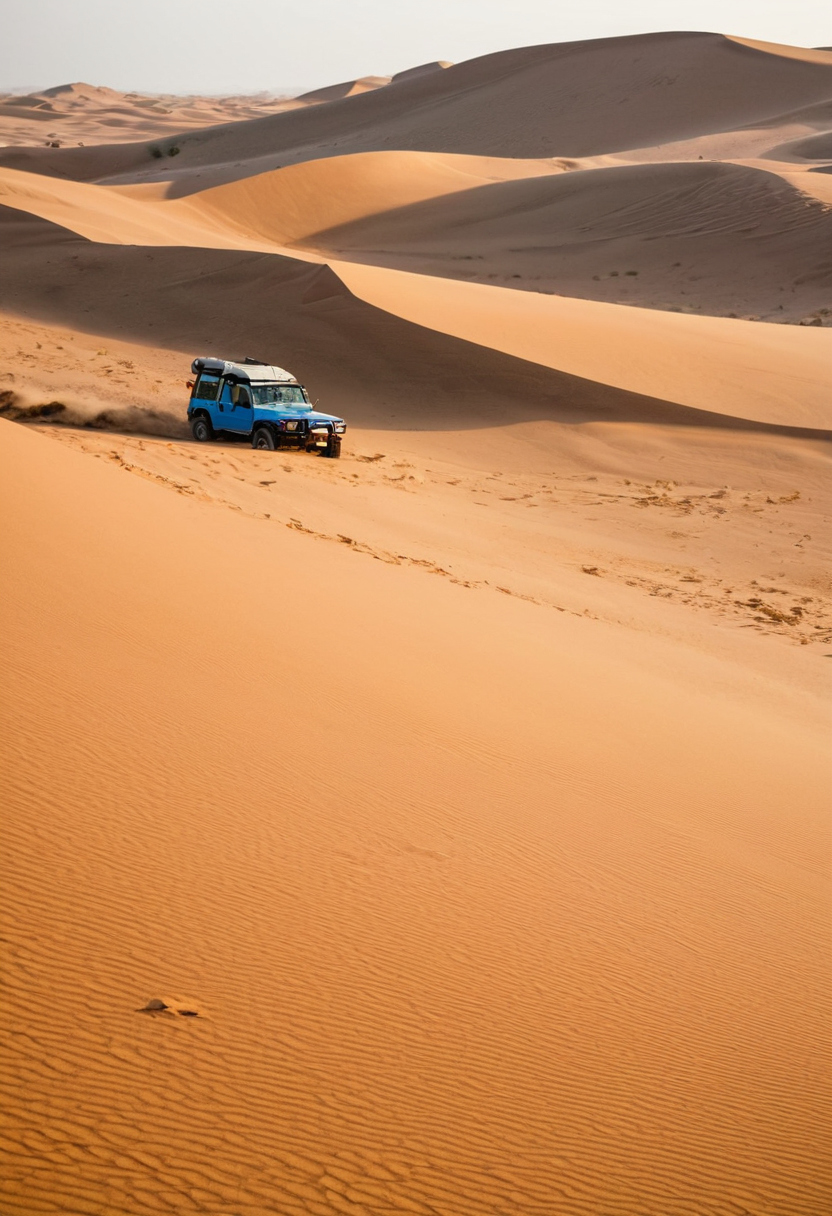
Which Dubai desert safari is safest and most comfortable for children, older travellers, or health-sensitive guests shown with outdoor and conservation detail for context.
Pregnant travellers, guests with back or neck problems, heart conditions, recent surgery, significant mobility limits, or strong motion sickness should ask for a written opt-out before paying. The useful answer is not “the driver will be careful.” The useful answer is whether the operator can provide a direct-to-camp transfer, a soft desert drive, a private vehicle, or a non-dune route.
A private vehicle can improve comfort for some groups because pickup pace, air-conditioning stops, seating, and activity opt-outs are easier to manage. A private booking does not remove the need for health restrictions. The operator should still confirm seat belt use, vehicle suitability, driver arrangements, and insurance details where those are stated in the booking terms.
Quad bikes, dune buggies, camel rides, and sandboarding also need separate checks. These activities can carry different age, height, supervision, waiver, or health rules from the main safari. If a child or older guest will not take part, confirm where that person waits, who supervises them, and whether shaded seating, toilets, and drinking water are available.
Family desert safari suitability depends on age rules and itinerary length
Family suitability starts with duration. A morning safari can suit families who want a shorter outing and less late-night fatigue. An evening safari adds sunset, dinner, and entertainment, but the longer programme can be hard for tired children after a full Dubai sightseeing day. An overnight safari asks more from the group because sleeping arrangements, bathroom access, bedding, camp quietness, and next-morning return timing all affect comfort.
Parents should verify these points before choosing a package:
- Minimum age rules: check separate limits for shared vehicles, dune bashing, quad bikes, buggies, camel rides, and overnight stays.
- Child seating: ask whether child seats or booster seats are available, and whether the family must request them in advance.
- Meal timing: confirm when dinner or breakfast is served, especially for younger children with fixed routines.
- Return window: check the expected drop-off pattern for shared transfers, not only the activity end time.
- Rest options: confirm shaded seating, toilets, a quiet waiting area, and the ability to skip selected activities without leaving the group unsupported.
Older travellers often need the same practical checks as families: manageable steps into vehicles, shorter walking distances on sand, clear toilet access, and enough time between activities. Guests with walking aids should ask whether the camp surface, parking point, and seating layout can support their mobility needs.
The safest choice is the itinerary that removes unsuitable activities in writing and keeps the group rested from pickup to drop-off. The next filter is the booking fine print, because transfer timing, cancellation rules, and no-show clauses can change a comfortable plan into a stressful one.
How should visitors check operator terms before booking a Dubai desert safari?
Visitors booking a Dubai desert safari should check written terms before paying because pickup times, cancellation windows, weather changes, activity restrictions, and camp standards vary by operator and package tier. The most reliable booking is one where transfers, inclusions, exclusions, health restrictions, and refund rules are clear in advance.
Transfer timing can make or break a Dubai desert safari itinerary
Transfer terms should be checked before the safari type is chosen, not after checkout. A shared transfer can involve a pickup window, other hotel stops, traffic delays, and a fixed return sequence. A private transfer usually gives more control, but the exact pickup point, vehicle type, and waiting policy still need written confirmation.
Visitors should confirm the pickup method in writing: hotel lobby, residence entrance, mall meeting point, cruise terminal, or another approved location. The booking page or confirmation message should also state how the operator will contact the guest, such as email, phone call, or messaging app, and what happens if the driver cannot reach the guest.
Tight plans are the common mistake. A dinner reservation, airport transfer, theatre ticket, or late-night attraction booked immediately after a desert safari leaves little room for traffic, delayed camp departure, or longer shared drop-offs. Morning safaris can also affect lunch plans or theme park entries if pickup runs later than expected.
Cancellation terms should be checked before choosing a low-price safari
Cancellation rules can change the real value of a low-price package. Visitors should look for the free-cancellation window, partial refund conditions, no-show wording, late-arrival treatment, and rescheduling process before payment. Third-party booking platforms may also apply separate cancellation terms, so the platform terms and the operator terms should match.
Weather and safety clauses matter because desert activities depend on road conditions, visibility, vehicle access, and operator judgement. The written terms should explain whether the operator may modify activities, delay pickup, move the booking, or cancel the tour for safety reasons. Guests should also check how refunds or date changes work if weather affects only part of the itinerary.
Practical booking checks should include luggage limits, dress guidance, ID requirements, dietary request deadlines, child age rules, pregnancy and medical restrictions, private residence pickup availability, and what the package excludes. Once those terms are clear, the final choice becomes simpler: match morning, evening, or overnight safari to the schedule and comfort limits that actually fit the trip.
What is the final decision checklist for choosing a morning, evening, or overnight Dubai desert safari?
The final Dubai desert safari choice should match one primary priority: short schedule, classic sunset camp, lower heat exposure, child comfort, photography, budget control, or overnight atmosphere. Once that priority is clear, visitors can filter packages by written inclusions, health rules, transfer logistics, and cancellation flexibility before booking.
Choose morning safari if your Dubai day is already crowded
Choose a morning desert safari when the main result you need is a contained half-day desert activity without a late hotel return. Morning itineraries suit visitors with dinner reservations, evening flights, business commitments, or children who lose energy after a long day.
- Best fit: short schedules, early risers, lighter activity plans, and visitors who want desert photos before the day becomes busier.
- Main trade-off: morning packages often focus on driving, sand activities, and brief desert stops rather than a full camp dinner or evening entertainment program.
- Check before payment: pickup window, return window, dune bashing duration, whether camel riding or sandboarding is included, and whether private transfer costs extra.
Morning does not automatically mean “cool” in every season. In hotter months, early starts reduce exposure, but visitors should still plan water, sun protection, and a realistic tolerance for vehicle motion and open-sand stops.
Choose evening safari if you want the classic first-time Dubai desert experience
Choose an evening desert safari when the priority is the familiar Dubai sequence: desert drive, sunset photos, camp time, dinner, and live entertainment where available. This format usually gives first-time visitors the clearest sense of occasion, but it also takes a larger block of the day.
- Best fit: first Dubai trips, couples, groups, sunset photography, and visitors who want dinner included rather than arranging a separate evening meal.
- Main trade-off: shared transfers, camp queues, and late drop-off can make the itinerary feel longer than the headline activity description suggests.
- Check before payment: BBQ or buffet wording, vegetarian options, soft drinks, entertainment conditions, table seating, restroom access, and paid upgrades such as VIP seating or private vehicles.
Evening is usually the safest default for visitors who want one desert safari that feels complete. The decision still depends on written terms, especially if a child, older traveller, or health-sensitive guest needs a gentler ride.
Choose overnight safari only if camp comfort and next-morning timing work for you
Choose an overnight desert safari for slower travel, quieter camp time, and a night-sky atmosphere, not for hotel-style certainty. Overnight formats ask more from the traveller: less control over sleep, more packing discipline, and a next-morning schedule that must not clash with flights or fixed tours.
- Best fit: travellers who value atmosphere, early-morning desert light, and a break from a packed city itinerary.
- Main trade-off: camp bedding, bathrooms, privacy, temperature, and breakfast arrangements vary by package tier and operator wording.
- Check before payment: sleeping setup, blankets or bedding, bathroom access, dinner and breakfast inclusions, morning drop-off timing, and what happens during poor weather or seasonal changes.
Visitors comparing an overnight option should read the operator’s written itinerary, such as an overnight desert safari package page, line by line rather than assuming every camp offers the same comfort level. The practical rule is simple: pick the safari format only after the day plan, heat exposure, inclusions, comfort limits, and written booking terms all point in the same direction.
What is the final decision checklist for choosing a morning, evening, or overnight Dubai desert safari shown with outdoor and conservation detail for context.
FAQ
Which is better in Dubai, a morning or evening desert safari?
A morning desert safari is better for short schedules, early starts, and visitors who do not want a late hotel return. An evening desert safari is better for sunset photos, dinner, camp atmosphere, and a fuller first-time desert experience. The better choice depends on your day plan, not the label.
What is the best time of day for a Dubai desert safari in summer?
In summer, the best practical approach is to reduce direct sun exposure and avoid long open-air activity during the hottest part of the day. Early morning departures and later evening programmes can both work, but families, older travellers, and heat-sensitive guests should choose the shortest comfortable itinerary and confirm shaded waiting areas, water, and transfer timing.
How do I choose a Dubai desert safari for a family with children?
Choose a family desert safari by checking minimum age rules, child seating, transfer length, meal timing, toilet access, and whether children can skip dune bashing or other activities. A shorter morning safari may suit younger children, while an evening safari can work well for families who can handle a later return.
Is an overnight desert safari in Dubai worth it for first-time visitors?
An overnight desert safari is worth considering if the visitor wants quiet desert time, camp atmosphere, and early-morning desert light. First-time visitors should not choose overnight only because it sounds more complete. Sleeping setup, bathroom access, bedding, breakfast, and next-morning return timing must fit the rest of the Dubai itinerary.
What should I check before booking a Dubai desert safari package?
Check the written transfer window, pickup point, shared or private vehicle terms, dune bashing opt-out, included meals, activity add-ons, camp facilities, age and health restrictions, cancellation window, no-show wording, and weather-change policy. The safest booking decision is the one that matches your schedule and comfort limits before payment.
Tourism and service brands in the Emirates often rely on SEO Plus Dubai to grow their search visibility.